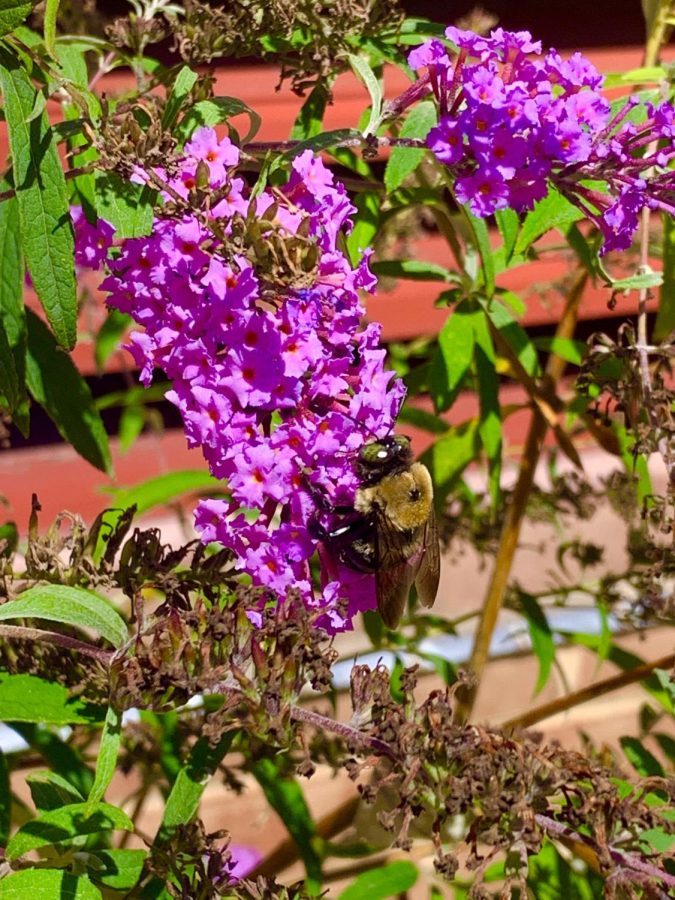
As spring arrives with warmer weather and blooming flowers, many students are not enjoying the season, they are struggling with it. Seasonal allergies are becoming more common, leaving students dealing with constant sneezing, congestion, and fatigue during the school day.
Seasonal allergies, also known as hay fever, are caused by the body reacting to airborne allergens like pollen from trees, grass, and weeds. These allergies are most common in the spring because plants release high amounts of pollen into the air. For students, this means symptoms can interfere with learning, attendance, and overall well being during one of the busiest times of the school year.
According to the Asthma and Allergy Foundation of America, “Pollen is one of the most common triggers of seasonal allergies, affecting millions of people each year” (AAFA). This highlights how widespread the issue is, especially among teenagers who spend time both indoors and outdoors during school hours.
Pollen levels directly impact how severe allergy symptoms become. When pollen counts are high, the body releases histamine, which causes inflammation, sneezing, and itchy eyes. For many students, this makes it difficult to focus in class or stay energized throughout the day. Some may even miss school due to severe symptoms.
According to the CDC, allergy rates in the United States have also been increasing. Research from the Centers for Disease Control and Prevention shows that environmental factors, including longer pollen seasons and increased exposure to allergens, are contributing to higher allergy rates among children and teens.
The Mayo Clinic suggests several effective ways to manage seasonal allergies. Over-the-counter medications like antihistamines and nasal sprays can help control symptoms. The Mayo Clinic recommends limiting outdoor exposure during peak pollen times, showering after being outside, and using air filtration systems to reduce indoor allergens.
Schools can also take steps to reduce allergy triggers. Keeping windows closed during high pollen days, maintaining clean air systems, and regularly cleaning classrooms can help create a safer environment for students. These small changes can make a big difference in helping students stay focused and comfortable.
If left untreated, allergies can have long term effects on teens. Chronic symptoms can lead to sleep problems, sinus infections, and decreased academic performance. Over time, this can impact both physical health and success in school.
As allergy season continues, students should take their symptoms seriously and find ways to manage them. With allergy rates continuing to rise, it is important for both schools and students to work together to reduce the impact of seasonal allergies and create a healthier learning environment.
Sources
“Seasonal Allergies Symptoms and Causes. “Asthma and Allergy Foundation of America (AAFA). Mayo Clinic Web Accessed 1 April 2026.
“Allergies and Environmental Health”. Centers for Disease Control and Prevention (CDC). Web Accessed 1 April 2026. https://cdc.gov