If you’ve ever felt like the day is going too fast, or going too slow, you may be familiar with daylight saving time, although you may have not realized it.
Daylight saving time is a practice where the clock shifts forward one hour, and shifts back to its original time after 240 days this year. Daylight Savings Time hit us last week when the clocks moved forward an hour in the early morning hours of March 8. As excited as any of us may be about “springing forward” in to Spring, not sure how excited we are to lose an hour of sleep over our weekend that often makes us feel like it throws off that whole first week after the clocks move forward.
This practice originates 117 years ago as a result of Canada being the first country to use DST in 1908, and Germany popularizing it during the first two years of World War 1 in 1916, and has still been observed in order to save energy. The U.S began to use it just two years after. But the main reason this day matters the most in our world today, is the significant impact it has on everyone’s routine and sleep, especially the workers.
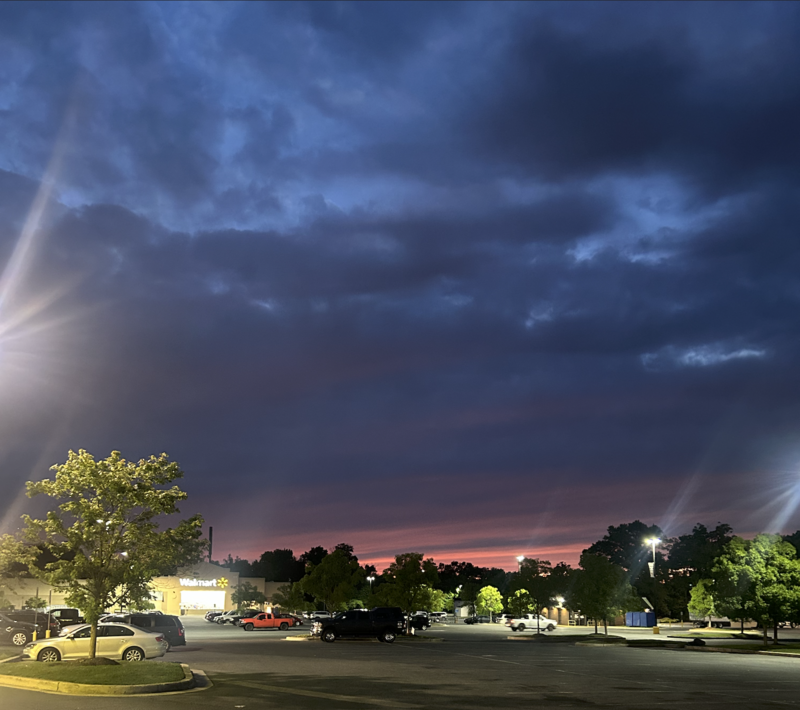
Daylight savings time (DST) is defined as “the practice of setting clocks forward by one hour during warmer months, typically from March to November, to extend evening daylight.” DST begins on the second Sunday in March every year where the clocks go from 2 a.m. to 3 a.m. In return as a result the sun will begin to set after 7pm and later as we move towards the summer months, extending the evening light.
DST then ends on the first Sunday in November when clocks go from 2 a.m. back to 1 a.m. and as a result where the sun sets around 5pm. You might be thinking, ”‘well.. Of course, obviously but. Why?” The scientific reasoning behind this is it aims to conserve energy and align waking hours with natural sunlight. Though it was originally for benefitting the agricultural community, it’s now seen to have other benefits from helping the economy with encouraging people to shop later, mental and physical benefits with children and adults staying outside and engaging in activities later and longer after work and school, to even creating a safer environment with longer light provided to discourage crime (Fischer).
Many students say they like daylight savings time and definitely do prefer to have the sun set later rather than earlier and that is because most of them like to be outside, hang out with friends or just relax and enjoy the outside.
Students shared their honest opinion on the topic. “It can be annoying when it’s dark and I’m walking home, or if I have to wait for someone to pick me up, I feel uncomfortable standing there,” shared a freshmen. “So if it’s still light out, that’s a positive for me.”
Others hate in the fall when we “fall back” with the clocks. “The decrease in daylight really affects my energy and motivation. As the sun sets earlier, I feel less driven to tackle my schoolwork. On tough days, just getting out of bed or finishing assignments can feel like a big challenge. This struggle gets worse in winter, making it harder to stay positive.”
More sunlight, along with the warmer temps, motivates more of us to do more with our day. However, losing that hour of sleep that first week always seems to take a bit of an adjustment period at first. What do you think about daylight saving time? Should we adjust? Should we go along? Or should we keep it as is and leave our clocks be?
Source
Fischer, Lane Wendell. “Who Benefits from Daylight Savings Time”. The Daily Yonder. 6 March 2024. Web Accessed 19 March 2026.