News Literacy Week is rapidly approaching and it’s important for you to understand what news literacy is. News Literacy Week is a yearly event led by the News Literacy Project that teaches and informs the key roles of media literacy. Directed towards a younger audience, it teaches core information such as detecting bias, credibility, and propaganda and takes place during February 1st to February 6th of 2026, the first week of the month.
In a time where misinformation and artificial intelligence (AI) are spreading more than ever through social media, News Literacy Week helps students develop the critical skills in knowing the difference between fake and real news.
Fake vs. Real News and The Role of Social Media in Spreading Misinformation
Real news is information that is true and based on facts. It comes from trusted sources such as .gov or .edu, uses evidence, and is meant to inform an audience. Fake news is false information that is misleading and is often made to get ones attention or change how one thinks. It usually has dramatic headlines that can fall into propaganda or yellow journalism with little to no proof. Knowing and and understanding the difference between the two helps students avoid being misled and make better decisions about what they believe.
With the rise of AI, it is more important than ever to know the difference between real and fake information. AI can create a very realistic video and image that look real but are completely made up. You may have seen multiple videos on TikTok where an animal is at someones doorbell and is dancing or swept up by a tornado, even though that never happened. These fake videos can spread quickly and trick the audience into thinking something is real when it is not. Knowing how to tell real from fake helps people avoid getting misled and causes one to think carefully about what they see online.
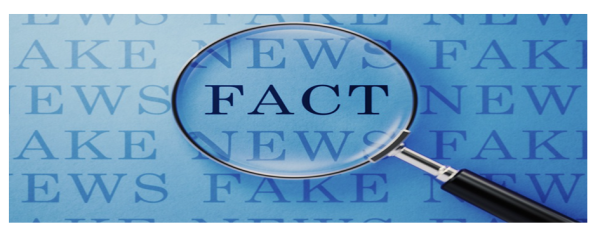
What are some simple ways to tell real news from fake?
- Check the source: Trusted outlets are more reliable than a random source, look at the web domain to see if its a reliable source
- Check for proof: Real news includes facts, quotes, or links to sources
- Look closely at videos or images: AI and editing can make fake content look real, make sure to watch for weird details or things that do not make sense.
These steps may help people avoid falling for misinformation, especially when it comes to social media.
Propaganda and Its Impact
You may be familiar with propaganda but what really is it? Propaganda is information thats made up in order to inform but also influence ones opinion or actions. It usually shows only one side, also known as bias and often uses strong emotions or diction like fear or pride rather than facts.
Yellow journalism is a type of propaganda used a lot during World War I and II. It uses shocking headlines and exaggerated stories while also using emotional language or appeal to grab attention. The goal of it is to get people excited or upset, even if the information is not true.
Propaganda is important to understand in todays age since it influences of how people think or feel, even if it isn’t fully accurate. It doesn’t just facts, it plays with ones emotions, exaggerates stories, or shows just one side of an argument. Sometimes propaganda also used satire, such as Saturday Night Live (SNL) to make fun of politicians and current events in the world. Even though it is meant to be funny, satire may still form opinions, so knowing the difference between the jokes and real news can help one think smartly and avoid being misled.
How do you look for propaganda?
- Is the language very emotional or overly dramatic?
- Are the headlines exaggerated? (similar to yellow journalism)
- Are there any reliable sources?
- Is it trying to make you feel something rather than giving facts?
If a news story feels more like it’s trying to get a reaction than explaining the truth, it may lean towards propaganda.
Types of Information and Understanding Bias
There are 6 zones of information in news literacy. Entertainment which is made to entertain, advertising which is made to sell, opinion which is to persuade, propaganda which is to provoke, raw information which is to document, and lastly news which is to provide information.
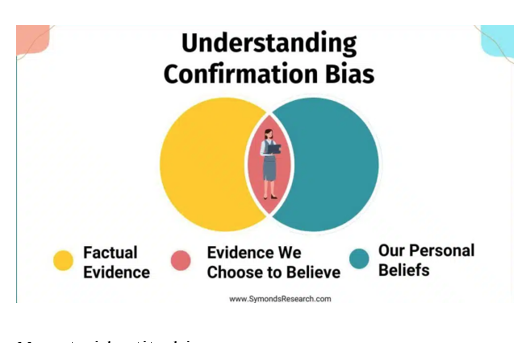
Bias is where someone favors one point of view, idea, or group over another’s. It can show up in news, opinions, or even entertainment, sometimes without the creator even noticing. Affecting how we understand information, if we do not understand and recognize it, we may believe only one side of a story or be misled by incomplete reporting.
How to identity bias:
- Check who created the content and why. Is the author trying to sell, persuade, or inform the audience?
- Look for language or emotional appeals that push you toward a certain opinion
- Compare with other sources to see if the same facts are reported differently
- Ask if important details or perspectives are missing.
Sources:
“News Literacy Project”. Newslit.org. Elevation Web. 2026. Web Accessed 29 January 2026.